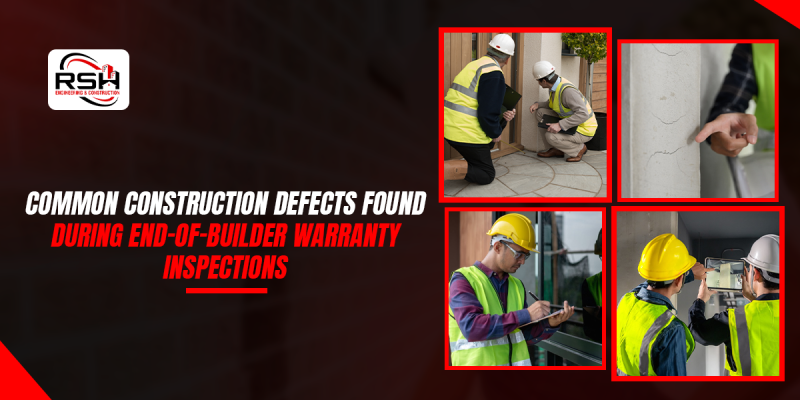
Foundation concerns are not cosmetic problems. They affect how a building carries weight, how it reacts to soil movement, and how safe it remains over time. Guesswork does not work here. A trained professional knows how to identify the root cause instead of masking visible damage. For homeowners and property managers who want accurate answers, relying on expertise is not optional.
RSH Engineering & Construction approaches foundation inspections with this mindset. Their focus is not on quick fixes but on understanding how and why a structure behaves the way it does.
What is Foundation Inspection?
During a home foundation inspection, a professional engineer for foundation inspection looks at visible cracks, but also studies how they align, where they begin, and how they progress. Horizontal cracks, stair-step cracks, and vertical hairline cracks all mean different things. Without training, these differences can be misread or ignored.
A professional engineer for foundation inspection also checks for signs of settlement, uplift, or lateral movement. These are not always obvious. Sometimes the clues are subtle, such as uneven window frames or slight separations at joints. A trained eye can detect patterns that others miss.
This is why inspections should not be rushed or treated as a checklist exercise. The value lies in interpretation, not just observation.
Why Experience and Credentials Matter?
Not all professional engineer for foundation inspection are the same. Some focus on visual documentation. Others concentrate on repair sales. You are engaging a professional who can connect symptoms to structural behavior. That difference often saves people from unnecessary repairs or missed risks.
Engineers also work within regulated standards. Their findings must be defensible, documented, and technically sound. This matters if the inspection becomes part of a legal, insurance, or real estate process.
The Role of Accurate Reporting
An inspection is only as useful as the report that follows. Clear documentation helps homeowners, contractors, and insurers understand what is actually going on.
A professional engineering report explains findings in structured language. It separates cosmetic issues from structural concerns. It also outlines recommended actions based on risk levels, not on guesswork. This type of report becomes a long-term reference document rather than a one-time note.
Good reports do not rely on vague terms. They include measurements, diagrams, and explanations that can be verified. This becomes especially important when the stakes are high, whether that means money, safety, or both. A clear, well-documented report does more than list observations. It explains what those observations mean in real terms.
If you want to see how this kind of reporting fits into larger design and review processes, there is a related discussion that connects directly with advanced technology in building inspections.
How Technology Improves Inspection Accuracy
Inspections today are no longer limited to what the eye can catch. They sharpen it. What matters is not just the data, but how it is interpreted. Using advanced technology in building inspections allows engineers to detect subsurface voids, moisture intrusion, and material inconsistencies. These tools reduce guesswork and improve confidence in conclusions.
For example, laser scanning can reveal subtle foundation settlement that might not yet be visible inside the building. These details change how problems are evaluated and addressed.
Technology does not replace professional judgment. It supports it. A trained engineer knows how to interpret data correctly rather than relying on raw readings alone.
The Danger of Superficial Assessments
Many property owners opt for quick assessments because they appear cheaper. A quick walk-through or a casual opinion from a general contractor can feel enough in the moment. The issue is that surface checks rarely explain why a problem exists. A crack might be patched, painted over, and forgotten. Months later, it shows up again, wider than before. The original cause was never addressed, only the symptom. Months later, the crack returns, wider and longer. The original issue remains unresolved.
A proper foundation problem evaluation looks beyond visible symptoms. It considers soil conditions, drainage patterns, load distribution, and structural design. This level of analysis prevents recurring issues and escalating damage.
There is a useful comparison between early and late-stage structural interventions that connects well with how foundation risks evolve. You can explore that discussion on the foundation problem evaluation.
Understanding Foundation Inspection Services
People often misunderstand what foundation inspection services include. They are not repair packages. They are diagnostic services.
An inspection service should focus on identifying the cause of movement, not on pushing a specific repair method. This distinction matters. When diagnosis and repair sales are combined, bias can creep in.
A professional inspection includes visual assessment, measurement, documentation, and technical interpretation. It may also involve soil sampling, moisture testing, or structural modeling, depending on the case.
The outcome is not a sales pitch. It is a clear picture of what is happening and what risks exist.
Real Estate Decisions and Legal Clarity
Foundation choices shape everything that comes after them. Walls, floors, roofing, plumbing, all of it responds to how the foundation behaves. When surface issues are fixed without understanding what caused them, the cycle repeats. Repairs become routine. Costs add up. Accurate diagnosis breaks that pattern.
This is why choosing a professional engineer for foundation inspection is not just about solving what you see today. It is about preventing what you cannot see yet. Trusting RSH Engineering & Construction means trusting a process based on analysis, documentation, and technical reasoning. When you work with a professional engineer for foundation inspection, you are not ticking off a task.
Frequently Asked Questions
Q1: What does a professional engineer for foundation inspection actually do?
A1: A licensed engineer does more than look for visible cracks. They analyze load behavior, soil interaction, moisture impact, and structural movement.
Q2: Is a home foundation inspection necessary if the damage looks minor?
A2: Yes. Small cracks, slight slopes, or sticking doors can be early signs of deeper issues. A proper home foundation inspection helps determine whether these signs are cosmetic or structural.
Q3: How is a professional engineering report different from a regular inspection note?
A3: A professional engineering report documents findings clearly, explains what they mean, and supports conclusions with technical reasoning.