When it comes to saving your property from massive future damage and repair costs, you should know about the signs of foundation damage. Noticing cracks or moisture in your wall might seem normal at first, but later they become a cause of major damage. RSH Engineering & Construction helps the Texas homeowners know about these damage signs and call for a professional inspection.
Why Texas Properties Face These Foundation Problems
Our Texas region has clay soil, due to which owners might see the foundation shift in this area. Mostly the cases come due to the expansive clay, also called ‘black gumbo,’ which expands when it absorbs moisture and again shrinks during dry spells. This ongoing process in the soil becomes a primary reason for facing slab foundation problems.
These problems are so common in the area of North Texas homes. During the summer or the dry season, soil can pull away from your foundation by several inches. When the heavy rains come, it again expands and pushes against the concrete from all sides.
In this way, structural buildings in Texas often get cracks in their foundation, which require immediate action and professional inspection.
Common Signs of Foundation Issues Texas Homeowners Should Watch For
To find the general signs of foundation problems, homeowners don’t need to act like professional engineers. Mostly, you can notice these signs during everyday activities around the house.
Here are some of the common signs you must look for:
1. Finding Cracks in Walls & Ceilings
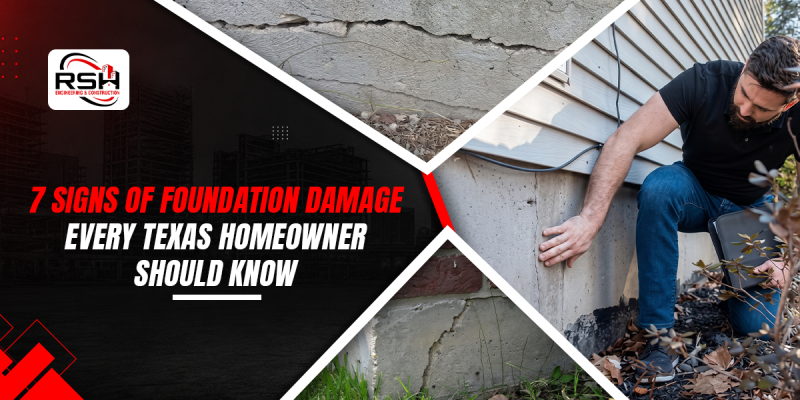
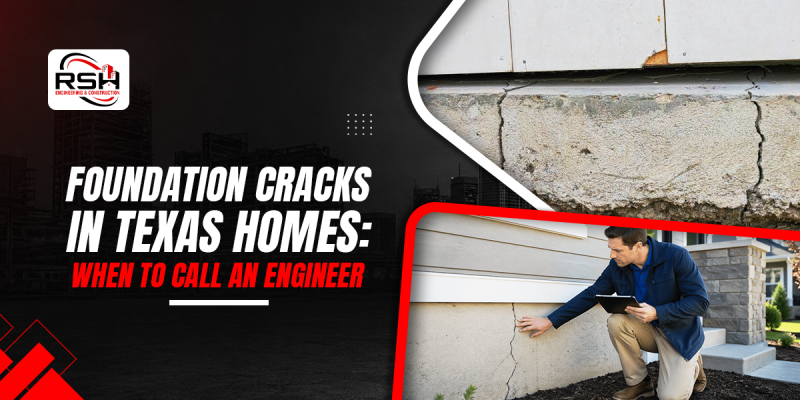
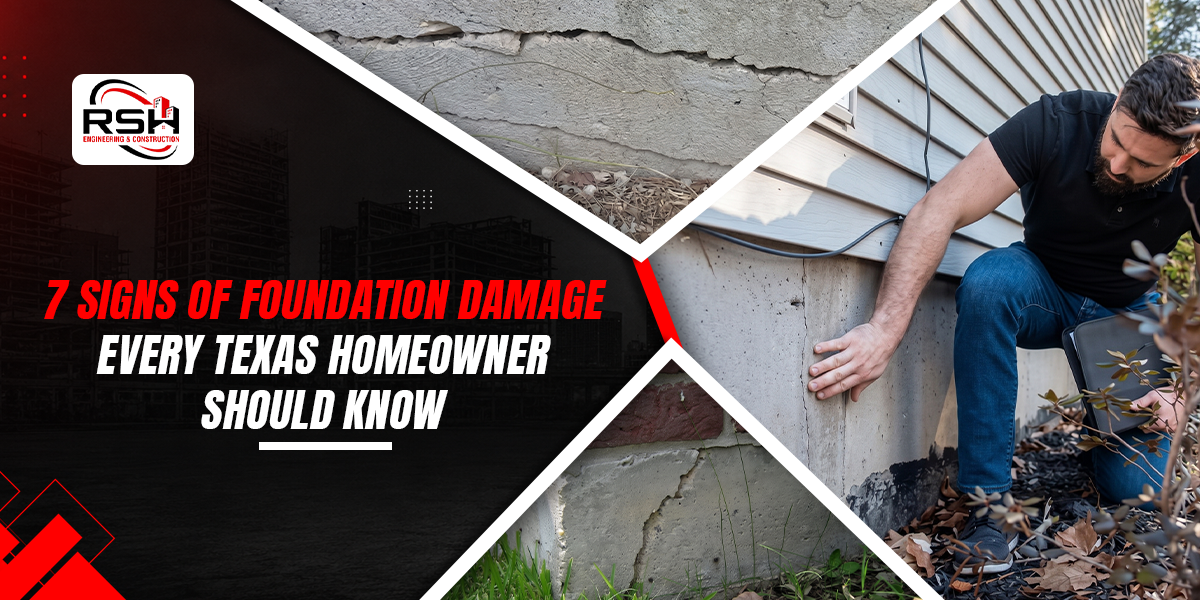
Homeowners mostly notice the hairline cracks above the doorframes or along corners that may lead to severe damage. You don’t need to worry about every crack. Vertical cracks, which are very thin and are caused by normal settling, are different from diagonal or stair-step cracks in brick, which show foundation movement that needs immediate action.
At this point owners must go for a professional foundation inspection that will finally disclose the clear report.
2. Doors & Windows That Stick or Won’t Close
Sometimes you might notice that your interior doors drag across the floor or will not latch properly, which is a sign of foundation settlement. In this case, frames shift with the foundation, windows, and doors, due to which they lose their square alignment.
It becomes especially noticeable in older structures around Cleburne and Fort Worth that are dependent on pier-and-beam foundations. Upon noticing this sign, owners should contact engineers who will do a foundation problem evaluation and find the required solutions.
3. Uneven or Sloping Floors
Most of the homeowners also faced the issue of uneven or sloping floors, which were caused by foundation movement. They notice the furniture wobbles or that water pools in certain spots on tile floors.
If you find a slope of more than 1 inch over 15 feet, it is typically worth investigating. Calling the foundation inspectors in this situation is the best decision, as they will investigate it properly.
4. Finding Gaps Between Walls and the Ceiling or Floor
If you are a homeowner in the Texas area, you might find the gaps between the walls and ceilings a sign of foundation problems. This usually happens when your framing pulls away from the fixed points of your home.
They are not always noticeable. Hence, owners must also follow a regular inspection of such areas and signs that may cause severe damage. You should contact foundation repair professionals to make sure that you do not make the issue bigger.
5. Leaning of the Chimney or Pulling Away
Noticing the chimney cleaning or separation from the exterior walls is also considered an important sign of the foundation problems. Due to their heavy weight, they react immediately with such movement, and while noticing it, owners must think of foundation crack repair.
6. Plumbing or Slab Issues
The foundation problems in your home can also affect the plumbing system of your home. Due to heavy pressure on plumbing lines, there might be leaks or slab cracks. Owners can notice an increase in water bills or visible pooling of water.
7. Heaving Floors
Finding heaving floors in your building is also an important sign of foundation cracks in Texas homes. Due to moisture saturation, freezing conditions, or pressure from swelling clay soils, this happens.
Conclusion
Homeowners residing in Texas often find these common signs of foundation damage that are caused by soil movement, moisture, or climate activity. After noticing these signs, you should immediately contact professionals like RSH Engineering & Construction for inspection and solutions.
Frequently Asked Questions on 7 Signs of Foundation Damage Every Texas Homeowner Should Know
Q1. How can I tell if a crack in my wall is a sign of foundation damage or just cosmetic?
A1. You can check its width, direction, and location; based on these, you can tell whether a crack is a sign of foundation damage or just cosmetic.
Q2. Do you offer foundation inspections for Texas homeowners?
A2. Yes, we offer professional foundation inspection services and required solutions in Texas.
Q3. What causes foundation damage in Texas homes?
A3. Most of the foundation damages in Texas homes occur due to the soil reaction based on weather changes.