
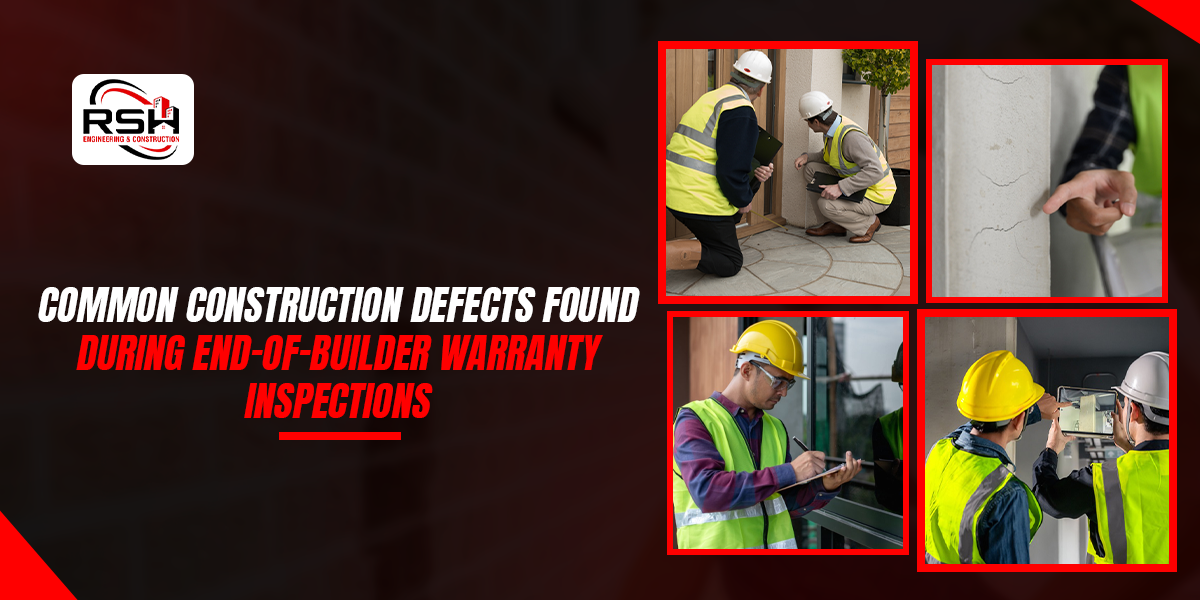
A newly built home rarely shows its true condition in the first few months. Many construction defects only become visible after the structure experiences real-world conditions like temperature shifts, moisture exposure, and daily usage. This is why an end-of-builder warranty inspection is not just a routine step but a critical evaluation window.
Why the 11th-Month Inspection Reveals the Truth
Homes are designed under controlled timelines, but they settle under uncontrolled conditions. Soil movement, seasonal expansion, and internal load distribution begin to affect the structure once the home is occupied. These changes are subtle at first but become more noticeable over time.
By the end of the builder’s warranty period, these movements usually show up as cracks, alignment issues, or system inefficiencies. This is not necessarily poor construction, but it does reveal where execution or material behavior may not be holding up as expected.
An inspection at this stage helps separate normal settling from early signs of structural or system failure.
The Difference Between Cosmetic and Structural Defects
Not all visible defects carry the same level of risk. The challenge for homeowners is understanding which issues require attention and which are simply surface-level imperfections.
For example, a minor drywall crack may result from normal settling, but a diagonal crack extending from a door frame could indicate stress movement. Similarly, uneven flooring may not always be noticeable until furniture placement reveals it.
A proper structural evaluation focuses on identifying patterns, not just isolated issues, to determine whether the defect is cosmetic or structural in nature.
Common Construction Defects That Signal Deeper Problems
During an end-of-builder warranty inspection, certain defects appear frequently across properties. What makes them important is not their presence but what they indicate beneath the surface.
- Foundation cracks that follow a stair-step pattern in brickwork
- Poor grading that directs water toward the home instead of away from it
- Roof flashing gaps that allow slow water intrusion over time
- HVAC imbalance causing uneven temperatures across rooms
- Window or door misalignment due to frame shifting
These issues may start small, but they mostly point to broader construction or installation concerns.
How Water and Drainage Issues Go Undetected
Water-related defects are among the most overlooked problems in new homes. They do not always show immediate damage, which makes them easy to ignore during early walkthroughs.
Improper grading, clogged drainage paths, or poorly installed gutters can lead to water accumulation near the foundation. Over time, the accumulation increases soil movement and moisture penetration.
By the time the visible symptoms appear, the underlying issue has already progressed. This is why drainage assessment is a key part of any home warranty inspection checklist.
What a Real Inspection Actually Evaluates
A meaningful inspection goes beyond checking visible surfaces. It evaluates how different systems interact and whether they are functioning as intended under normal conditions.
Inspectors look for consistency in structural alignment, moisture behavior, airflow distribution, and material performance. This includes observing how cracks develop, how doors operate, and how systems respond over time.
A structured building inspection checklist makes sure that no critical area is skipped, while experience determines how findings are interpreted.
The Role of Technology in Modern Inspections
Traditional inspection methods rely heavily on visual assessment, but modern tools have significantly improved accuracy. Technology allows inspectors to identify hidden issues before they become visible problems.
Thermal imaging can reveal insulation gaps or hidden leaks behind walls. Moisture meters detect water presence in materials before staining or damage occurs. Digital leveling tools identify subtle floor slopes that may not be visible to the eye.
This use of technology in construction inspections adds another layer of reliability to the evaluation process.
Mistakes Homeowners Make During Warranty Inspections
Even when inspections are available, many homeowners fail to use them effectively. This could result in missed opportunities to address issues while the builder is still responsible.
- Assuming small defects are not worth reporting
- Waiting too long to schedule the inspection
- Overlooking patterns in cracks or alignment issues
- Not following up with the builder after receiving the report
These mistakes reduce the cause of the inspection and can lead to higher repair costs later.
Note
A home inspection report is not about documentation. It is a tool for negotiation and correction. The value of an inspection lies in how the findings are used, not just in identifying the issues.
Acting on the report within the warranty timeline is what protects the homeowner from future expenses.
Why Engineering Insight Makes a Real Difference
There is a clear difference between a standard inspection and one backed by engineering experts. The difference lies in how defects are analyzed and explained.
RSH Engineering & Construction focuses on identifying the cause behind each issue, not just describing it. This approach helps homeowners understand whether a defect is stable, progressing, or likely to worsen over time.
When inspection findings are supported by technical reasoning, they carry more weight and are more likely to be addressed properly by builders.
Choosing the Right Home Inspection Company
Selecting the right home inspection company determines how useful your inspection will be. A basic report may list issues, but it may not explain their significance or urgency.
A professional inspection service provides clarity, context, and actionable recommendations. This allows homeowners to prioritize repairs and communicate effectively with builders.
RSH Engineering & Construction brings this level of detail by combining field observations with structural understanding, creating reports that are both informative and practical
Conclusion
An end-of-builder warranty inspection is not just a final checklist before your warranty expires. It is a detailed review of how your home has performed under real conditions. The insights gained during this inspection can prevent minor issues from turning into major problems. With a structural process and engineering-driven analysis from RSH Engineering & Construction homeowners gain the clarity needed to protect their investment and make sure of long-term stability.
Frequently Asked Questions on Common Construction Defects Found During End-of-Builder Warranty Inspections:
Q1: What is the purpose of an end-of-builder warranty inspection?
A1: It helps identify construction defects before the builder’s responsibility period ends, allowing repairs to be addressed without additional cost.
Q2: Are all cracks in a new home a concern?
A2: Not all cracks indicate serious problems, but certain patterns or growth over time may signal structural movement.
Q3: Why is professional evaluation important?
A3: A trained inspector can differentiate between normal settling and potential structural issues, providing more accurate and reliable insights.


